

Worried your electric car will lose range or grip when the temperature drops? Winter brings ice, packed snow, and slushy roads that challenge any EV. Heavier battery packs, strong instant torque, and regenerative braking all change how tires behave — so picking the right winter tire matters more than ever.
This guide reviews the best winter tires for electric cars, focusing on traction, low rolling resistance, and durability. Below you’ll find short summaries and a simple comparison table so you can quickly compare features and check prices for the tires that suit your EV and driving needs.
| Product Image | Product Name | Best For | Check Price |
|---|---|---|---|
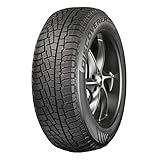 | Cooper Discoverer True North Win | Long Range Evs | Prices |
 | Armstrong Ski-Trac PC Winter Per | Deep Snow Grip | Prices |
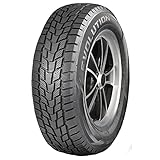 | Cooper Evolution Winter 225/65R1 | Low Rolling Resistance | Prices |
 | NEXEN Winguard Winspike 3 Studde | Best On Ice | Prices |
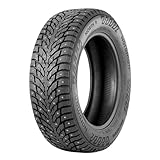 | Nordman North 9 195/65 R15 Winte | Budget Friendly Option | Prices |
| Cooper Evolution Winter 265/65R1 | For Suvs & Crossovers | Prices |
Cooper Discoverer True North Win
This tire is perfect for electric-car drivers who want reliable winter traction and a quiet, efficient ride.
The Discoverer True North Win uses a winter-specific rubber compound and an aggressive siping pattern to boost grip in cold, wet conditions. Those deep grooves channel slush and water, reducing hydroplaning. For example, on a slippery morning commute the tire bites into packed snow and helps your EV stop sooner and pull away with less wheel spin.
It also balances comfort and durability. The tread wears evenly and stays predictable through repeated cold cycles, so you get consistent performance across the season. Road noise stays low for a smoother cabin experience. Overall, the Cooper offers dependable winter confidence without compromising ride quality — a strong choice for EV owners who drive in real winter conditions.
Pros:
- 👍 Excellent snow and slush traction
- 👍 Winter-specific compound for better cold-weather grip
- 👍 Quiet, comfortable ride compared with many winter tires
- 👍 Durable, even tread wear for season-long performance
Cons:
- 👎 Not as effective as studded tires on bare black ice
- 👎 Pricier than some budget winter options
- 👎 Some EV-specific sizes may be limited in stock
Armstrong Ski-Trac PC Winter Per
Perfect for electric car owners who want a wallet-friendly winter tire that balances winter grip with low rolling resistance to help preserve range.
The Armstrong Ski-Trac PC Winter Per features a silica-enhanced compound and a dense siping pattern. This gives sure-footed traction on packed snow and better energy efficiency than many winter tires. For example, you can climb a slushy suburban hill with confident braking while losing less battery range on a short commute.
Durability and comfort are solid for the price, with a tread design that reduces road noise on cold pavement. Wet handling is competent, too, so you get year-round confidence in winter conditions without paying premium tire prices. Overall, it’s a strong value pick for most EV drivers who need dependable winter performance.
Pros:
- 👍 Good balance of snow grip and low rolling resistance for better EV range.
- 👍 Affordable price compared with premium winter tires.
- 👍 Dense siping improves braking on packed snow and slush.
- 👍 Quiet and comfortable ride for a winter tire.
Cons:
- 👎 Not as capable as studded or top-tier winter tires on hard ice.
- 👎 Limited availability in some EV-specific sizes.
- 👎 Heavier than ultra-lightweight touring tires, which can slightly affect efficiency.
Cooper Evolution Winter 225/65R1
This tire is perfect for electric car owners and compact SUV drivers who want reliable winter traction with minimal impact on range.
The design uses a soft winter compound and a directional tread with dense siping to bite into snow and expel slush. That means better grip and shorter stopping distances in cold conditions. For example, on a snowy commute you’ll feel steadier braking and fewer spins when pulling away on an incline.
It also has beefed-up construction to handle heavier EV weight and instant torque, which helps durability and stability through turns. The ride stays relatively quiet for a winter tire, and the lower rolling resistance helps preserve battery range. Overall, it’s a balanced, practical choice for winter driving in cold, mixed conditions.
Pros:
- 👍 Strong winter grip from the soft compound and siping.
- 👍 Directional tread sheds slush and improves braking in snow.
- 👍 Reinforced build handles extra EV weight and torque.
- 👍 Lower rolling resistance helps maintain electric range.
Cons:
- 👎 Not as effective as studded tires on bare ice.
- 👎 Slightly softer compound can mean faster wear in mild climates.
- 👎 Size availability may be limited for some vehicles.
NEXEN Winguard Winspike 3 Studde
Perfect for electric-car owners who need confident ice and hard-packed snow performance during harsh winters.
The Winspike 3 Studde uses an aggressive tread and a studdable design that bites into ice for sure-footed starts and shorter stops. Its winter rubber stays flexible at low temperatures, so braking feels predictable. For example, you can pull out of an ice-coated driveway without wheel spin and maintain steady acceleration on slick side streets.
Build quality is solid, with a durable compound and even-wear pattern that helps the tire last through several seasons. Nexen also balances grip with rolling-resistance tuning to limit range loss on EVs. If you need serious icy traction and reliable day-to-day winter performance, this tire is a strong, cost-effective choice.
Pros:
- 👍 Excellent ice traction thanks to studs and deep siping.
- 👍 Predictable braking and low-temperature flexibility for safety.
- 👍 Durable compound with even wear for longer life.
- 👍 Good value for severe-winter performance.
Cons:
- 👎 Studs can be noisy compared with non-studded winter tires.
- 👎 Studded use is restricted or regulated in some regions.
- 👎 Minor range penalty on EVs versus summer/all-season tires.
Nordman North 9 195/65 R15 Winte
Perfect for owners of compact and mid-size electric cars who want confident winter traction with minimal impact on range.
The Nordman North 9 uses a soft winter compound and dense siping to bite into snow and slush. Its directional tread and wide grooves channel water away. In practice that means shorter stops in a snowy parking lot and steadier acceleration when regen kicks in on icy streets.
It also balances comfort and durability for everyday winter driving. Road noise stays low for a winter tire, and the tread wears evenly if you rotate regularly. For drivers seeking a good value studless tire that helps preserve EV range, the North 9 is a strong, practical choice.
Pros:
- 👍 Strong snow and slush grip from deep sipes and directional tread
- 👍 Good wet evacuation reduces hydroplaning risk
- 👍 Relatively low rolling resistance helps electric range
- 👍 Quiet and comfortable for a winter tyre
Cons:
- 👎 Not as effective on bare black ice as studded options
- 👎 Softer compound can wear faster in mild winters
- 👎 Size availability may be limited for some vehicles
Cooper Evolution Winter 265/65R1
This Cooper winter tire in the 265/65R1 size is ideal for electric SUV owners who want confident winter grip without sacrificing driving range.
It uses a soft silica-rich compound and a dense siping pattern to bite into snow and ice. Deep circumferential grooves evacuate slush and help prevent hydroplaning. In practice, that means smoother takeoffs from a snowy driveway and shorter, more controlled stops on icy neighborhood streets.
Build quality is solid, with even wear and a quieter tread than some studded alternatives. The tire balances traction and low rolling resistance, which helps preserve EV range during cold months. Overall, it’s a reliable, cost-effective winter choice for electric vehicles that need predictable winter performance.
Pros:
- 👍 Strong snow and ice traction for confident winter driving.
- 👍 Low rolling resistance helps maintain EV range.
- 👍 Quiet, comfortable ride compared with aggressive winter studs.
- 👍 Good value and durable construction for seasonal use.
Cons:
- 👎 Not as aggressive in very deep slush compared with heavy-duty winter tires.
- 👎 Tread can wear faster if used frequently on dry pavement outside winter months.
- 👎 Size availability may be limited for some vehicle fits.
Buyer’s Guide: 3 Key Factors to Consider
Durability and EV-specific wear: Electric cars are heavier and deliver instant torque, which can accelerate tread wear. Look for winter tires with reinforced construction, even treadwear ratings, and compounds formulated for cold climates that resist chunking. Actionable tip: choose tires with an EV or reinforced marking and check manufacturer wear warranties — they signal tougher construction suited to EV loads.
Design and range impact: Winter tires optimized for electric vehicles balance grip with low rolling resistance to protect range. Prioritize designs with narrow, directional grooves and advanced siping that evacuate snow and slush without excessive energy loss. Actionable tip: compare manufacturer rolling-resistance or WLTP/ISO range impact figures when available, and expect a small range penalty vs. summer tires — typically 5–10% in cold conditions.
Why it’s a strong choice: A dedicated EV winter tire gives you the best mix of traction, durability, and minimized range loss. For drivers who want predictable braking and traction in snow or black ice while preserving as much driving range as possible, an EV-focused winter tire is worth the investment.
Pros:
- 👍 Excellent grip on snow and ice thanks to EV-tailored tread compounds and siping.
- 👍 Reinforced construction handles EV weight and instant torque for longer tread life.
- 👍 Lower rolling resistance variants help protect range compared with standard winter tires.
- 👍 Quieter, comfort-focused designs are common, improving cabin noise on heavier EVs.
Cons:
- 👎 Higher sticker price than generic winter tires — but better long-term value for EVs.
- 👎 Slight range reduction compared with summer tires in cold weather (a normal trade-off).
- 👎 Studded options offer more ice grip but are limited by local regulations and can increase road wear.
Durability
Choose tires with reinforced sidewalls and an EV-appropriate load index. Rotate tires every 6,000–8,000 miles to even out wear from heavy battery weight and torque. Check manufacturer treadwear and warranty terms; a longer warranty often reflects a more durable compound.
Price vs. Performance
Don’t shop only by price — EV-specific winter tires cost more but can save money via longer tread life and better efficiency. Prioritize grip for safety first, then look for models that advertise low rolling resistance. Compare long-term costs: price per mile and warranty coverage.
Ease of Use and Compatibility
Make sure tires are compatible with your vehicle’s TPMS, wheel size, and any active safety systems. If you plan on seasonal swaps, buy a second set of wheels pre-mounted to simplify changeovers and reduce repeated mounting costs.
Frequently Asked Questions
Q1: Do winter tires reduce my EV’s driving range?
A1: Yes, winter tires usually reduce range compared with summer tires because of softer compounds and deeper tread — expect roughly a 5–10% penalty in cold conditions. EV-specific winter tires aim to minimize that loss by optimizing rolling resistance.
Q2: When should I switch to winter tires?
A2: Swap when average daily temperatures consistently fall below 45°F (7°C). That’s when winter compounds perform markedly better than all-season rubbers for braking and traction.
Q3: Are studded tires better for electric cars?
A3: Studded tires offer superior ice traction but increase road noise, reduce range slightly, and may be illegal in some areas. Use them only if you frequently drive on icy roads and local regulations permit studs.
Q4: How does tire pressure affect winter EV performance?
A4: Cold air lowers tire pressure, increasing wear and reducing range. Check pressure monthly and follow the vehicle placard. Some EVs recommend slightly higher pressures for winter to account for cold contraction.
Q5: Can I use all-season tires on my electric car in winter?
A5: In mild winter climates, high-quality all-season tires may suffice, but they won’t match dedicated winter tires on snow, ice, or in very low temperatures. For safety in true winter conditions, choose winter-rated rubber.
Q6: Do winter tires affect regenerative braking?
A6: Not directly, but better winter traction allows regenerative braking to work more predictably. Some EVs tune regen behavior when winter tires are detected or when slip is present — consult your vehicle manual.
Final Verdict: Which One Should You Buy?
For most EV drivers, an EV-specific winter tire is the smart choice — it offers the best balance of grip, reinforced durability, and reduced rolling resistance. If you need all-out snow and ice performance, choose a premium EV winter tire with strong braking scores; if range is your top priority, pick an EV-optimized low-rolling-resistance model. Either way, seasonal swaps are essential for safe winter driving.