

Ever notice your car rides rougher, or your MPG drops, and wonder if tire pressure is the culprit? Low or inconsistent tire pressure is sneaky — it affects safety, handling, and gas mileage. Most drivers skip regular checks because gauges are confusing or inaccurate.
This guide reviews the best rated tire pressure gauges so you can pick a reliable, easy-to-use tool. We tested accuracy, build quality, and real-world ease. Below is a quick comparison to help you choose the right gauge for daily drivers, DIYers, and pros alike.
| Product Image | Product Name | Best For | Check Price |
|---|---|---|---|
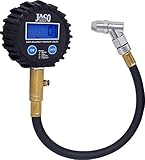 | JACO ElitePro Digital Tire Gauge | Shop-grade Accuracy | Prices |
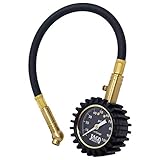 | JACO ElitePro Compact Pressure G | Compact Portability | Prices |
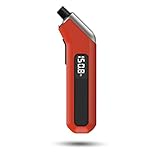 | ETENWOLF T300 Precision Tire Gau | Precision Readings | Prices |
 | AstroAI Pencil-Style Compact Tir | Pocket-friendly Gauge | Prices |
 | AstroAI Digital Tire Pressure Ga | Best Budget Digital | Prices |
 | JACO Superior ElitePro Heavy-Dut | Heavy-duty Use | Prices |
JACO ElitePro Digital Tire Gauge
Perfect for everyday drivers and DIYers who want fast, reliable tire pressure checks at home or before a trip.
The ElitePro’s bright digital display gives clear, instant readings so you don’t guess at pressure. Its user-friendly chuck seals quickly on the valve stem, so you can check and top up a tire in under a minute—handy when you’re at a gas station and want to confirm 32 psi before hitting the highway.
Build quality stands out with a protective rubber bumper and solid metal components that survive drops and garage use. It’s compact enough to store in a glovebox. For accuracy, durability, and ease of use, it’s a strong choice for anyone who values quick, no-fuss pressure checks.
Pros:
- 👍 Accurate, easy-to-read digital display for quick checks
- 👍 Secure chuck design that seals reliably on valve stems
- 👍 Sturdy construction with a protective rubber bumper
- 👍 Compact and easy to store in a glovebox
Cons:
- 👎 Requires a battery, so you’ll need replacements eventually
- 👎 Pricier than basic analog gauges
- 👎 Auto shutoff can interrupt if you want continuous readings
JACO ElitePro Compact Pressure G
Perfect for everyday drivers and DIY mechanics who want a compact, reliable gauge for routine tire checks.
The ElitePro Compact stands out for its straightforward accuracy and pocket-friendly size. It gives clear readings fast, so you can top up tires quickly before a road trip. For example, you can check all four car tires at a gas station in minutes and get consistent numbers that match your air pump settings.
Build quality is another strong point. The gauge feels solid in hand and is designed for regular use without fuss. Its simple design makes it easy to store in a glovebox or tool kit. Overall, it’s a no-nonsense tool that delivers reliable performance for most drivers.
Pros:
- 👍 Compact and portable for easy storage.
- 👍 Quick, easy-to-read measurements for fast checks.
- 👍 Solid construction for everyday durability.
- 👍 Straightforward to use with no learning curve.
Cons:
- 👎 May lack advanced features like backlight or Bluetooth.
- 👎 Small size can be slightly awkward with heavy gloves.
- 👎 Not specialized for high-precision racing or industrial use.
ETENWOLF T300 Precision Tire Gau
Perfect for drivers who want quick, reliable tire-pressure checks without fuss.
This gauge delivers fast, easy-to-read digital readings and a precise sensor that helps you hit your target pressure every time. For example, after topping off at a gas station you can get an instant number and make a tiny adjustment rather than guessing, saving time and preventing overinflation.
It also feels sturdy and compact in hand, with a grippy body that stores easily in the glovebox. A simple bleed control lets you fine-tune pressure on the spot. Overall, the tool balances accuracy, durability, and convenience, making it a solid pick for everyday use.
Pros:
- 👍 Fast, accurate digital readings for confident adjustments
- 👍 Easy-to-read display that speeds up checks
- 👍 Compact, durable build that stows neatly in a glovebox
- 👍 Simple bleed control for precise pressure tuning
Cons:
- 👎 Small display can be harder to read in direct sunlight
- 👎 Requires batteries, so you’ll need spares on hand
- 👎 Chuck may feel snug on some valve stems—minor fit issues
AstroAI Pencil-Style Compact Tir
Perfect for everyday drivers and DIYers who want a small, reliable gauge they can stash in the glove box for quick tire checks.
The pencil-style design slips into tight spaces and gives fast readings, so you can check all four tires during a fuel stop without fumbling. The slim metal body feels solid in hand and the clear scale is easy to read; for example, you can verify and adjust pressure in under a minute per tire.
Build quality is a highlight — the metal stem and knurled grip stand up to regular use and the protective cap keeps the tip clean. It won’t replace shop-grade instruments, but its portability, simple operation, and dependable accuracy to within a couple PSI make it a smart, budget-friendly choice for routine maintenance.
Pros:
- 👍 Very compact — fits in glove box or pocket for on-the-go checks
- 👍 Quick, easy-to-read scale for fast tire inspections
- 👍 Solid metal construction feels durable and reliable
- 👍 Affordable — great value for routine home use
Cons:
- 👎 Small size can make the scale harder to read in low light
- 👎 Lacks digital backlight or extra features some users want
- 👎 Not a replacement for professional shop-grade gauges
AstroAI Digital Tire Pressure Ga
This gauge is perfect for drivers who want a fast, accurate, and easy way to check tire pressure at home or on the road.
It features a clear digital display and quick-read sensor so you get a precise number in seconds. The backlit screen helps at night. For example, you can check all four tires before a weekend trip and know exactly when to add air to hit the recommended PSI.
The metal body and angled chuck make it durable and simple to use in tight spaces. It auto-saves readings and has an auto-off to preserve the small battery. Overall, it’s a solid, user-friendly tool for everyday maintenance and occasional emergencies.
Pros:
- 👍 Clear digital readout for fast, accurate readings
- 👍 Backlit screen for low-light use
- 👍 Angled chuck makes valve access easy
- 👍 Sturdy metal build that fits in a glove box
Cons:
- 👎 Uses a small battery that will need occasional replacement
- 👎 Slightly bulkier than slim pencil-style gauges
JACO Superior ElitePro Heavy-Dut
This gauge is perfect for drivers and DIYers who want a rugged, reliable tool for regular tire pressure checks.
It pairs a flexible hose with a locking brass chuck and a clear, easy-to-read dial. That combo makes measuring and inflating simple. For example, you can lock the chuck on a car tire, step away to inflate, and still read a steady, repeatable pressure without jostling the gauge.
Build quality stands out. The metal body and protective bumper feel durable and ready for frequent use. The weight and balance also make it comfortable to handle. Overall, the gauge is a strong choice when you want accuracy, durability, and practical features that speed up routine tire maintenance.
Pros:
- 👍 Sturdy metal construction for long-term use
- 👍 Accurate, repeatable readings for reliable checks
- 👍 Locking chuck and flexible hose for hands-free operation
- 👍 Large, easy-to-read dial speeds up readings
Cons:
- 👎 Heavier than basic plastic gauges
- 👎 Analog dial can be harder to read in low light
- 👎 Might be more tool than needed for very occasional users
Durability matters more than most buyers realize. A gauge built with a metal body and reinforced chuck will survive drops, garage spills, and long-term use far better than cheap plastics. Look for corrosion-resistant internals and a protective rubber boot if you plan to keep the gauge in a glovebox or trunk — that small upfront investment prevents frequent replacements and ensures consistently accurate readings over years.
Design and usability are the next big differentiators. A well-designed gauge has a clear backlit display, an angled or flexible chuck to reach awkward valve stems, and simple one-button operation. If you regularly check multiple tires, features like an ergonomic grip, a magnetic back for hands-free storage, or an auto-off function to save battery life dramatically improve the experience.
Taken together — solid construction, user-focused design, and reliable accuracy — these features make a gauge a strong choice for everyday drivers and enthusiasts alike. Prioritize accuracy (+/-1 psi or better), a sturdy chuck, and a readable display when choosing; that combo gives you fast, repeatable checks and peace of mind on the road.
Pros:
- 👍 Durable metal construction and reinforced chuck for long-term reliability
- 👍 Clear backlit display and ergonomic design for fast, easy readings
- 👍 High accuracy and consistent calibration reduce guesswork and improve safety
- 👍 Smart features (Bluetooth/app syncing) available for tech-oriented users
Cons:
- 👎 Higher-end digital models cost more than basic analog gauges
- 👎 Bluetooth and extra features add complexity some users won’t need
- 👎 Cheap plastic gauges may feel fine short-term but wear out faster
Buyer’s Guide: 3 Key Factors to Consider
Accuracy & Range
Choose a gauge rated to +/-1 psi (or better) and that covers the pressure range you need — most passenger cars use 25–40 psi, trucks and performance cars may need higher ranges. Consistent calibration and a reliable chuck seal are essential; test a new gauge against a trusted pump or garage gauge to confirm accuracy.
Durability & Build Quality
Pick metal-bodied gauges or those with a protective rubber boot if you expect rough use or storage in your vehicle. Look for corrosion-resistant internals and a sturdy chuck that creates a tight seal — a leaky chuck produces false lows and frustrated users.
Ease of Use & Features
Prioritize a readable display (backlit for night use), an angled or swivel chuck for tight valve stems, and intuitive controls. Consider extras only if they match your habits: Bluetooth/app integration for fleet management or electronic logging, or a simple analog dial if you want no-fuss reliability.
Frequently Asked Questions
Q1: How often should I check tire pressure?
A1: Check monthly and before long trips or carrying heavy loads. Tires can lose around 1–2 psi per month and fluctuate with temperature changes, so regular checks keep wear and fuel economy optimized.
Q2: Digital or analog — which is better?
A2: Digital gauges are faster, easier to read, and often more accurate; analog (dial) gauges are rugged and don’t need batteries. Choose digital for convenience and precision, analog for simplicity and durability.
Q3: Do I need a gauge with Bluetooth or an app?
A3: Not necessary for most drivers. Bluetooth/app features are helpful for fleets, tracking pressure over time, or syncing with other vehicle data. For routine checks, a reliable standalone gauge suffices.
Q4: How do I know if my gauge is accurate?
A4: Compare it against a trusted gauge at a service center or against a calibrated pump. Test multiple readings: if results are within +/-1 psi consistently, your gauge is accurate.
Q5: Can a tire pressure gauge damage the valve stem?
A5: Generally no, if used correctly. Use a properly fitting chuck and press straight onto the valve stem briefly. Angled or flexible chucks reduce stress on stems in tight positions.
Q6: What should I do if my gauge reads differently than my car’s TPMS?
A6: TPMS alerts are great for low-pressure warnings but can be less precise. Trust a dedicated gauge for exact readings — calibrate your gauge if discrepancies persist and consult a shop if pressures differ significantly.
Final Verdict: Which One Should You Buy?
For 2025, most drivers will be happiest with a mid-priced digital gauge that combines +/-1 psi accuracy, a robust metal body, and a comfortable angled chuck — it’s fast, reliable, and durable enough for regular use. If you want maximum simplicity and longevity, choose a rugged analog dial; if you manage multiple vehicles or like data tracking, opt for a Bluetooth-enabled digital model.