

Is your check engine light on, pointing to a frustrating “bank 2 sensor 1” air-fuel ratio imbalance? Maybe your car is hesitating, guzzling more gas than usual, or just doesn’t feel right when you accelerate. This common issue can leave you feeling stuck, unsure if it’s a simple sensor swap or a sign of a bigger, more expensive problem.
Still unsure which bank 2 air-fuel ratio imbalance suits your daily use? Start by listing must-have features, then match them to budget and real scenarios (work, travel, home). Check build quality, warranty, and any day-one accessories. Finally compare trade-offs like size, noise, battery life or upkeep so you buy with confidence. Use the table below to scan pros and cons at a glance and shortlist the models that truly make sense for you.
| Product Image | Product Name | Best For | Prices |
|---|---|---|---|
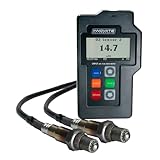 | Innovate Motorsports LM-2 Dual O | Diy Diagnostics & Tuning | Prices |
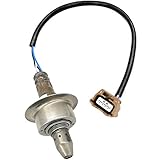 | Automotive-leader Upstream O2 Se | Direct Nissan Replacement | Prices |
 | AP01 Intake Manifold for Audi 3. | Audi Engine Repairs | Prices |
Innovate Motorsports LM-2 Dual O
This wideband O2 sensor and gauge combo is perfect for the serious DIY tuner or professional mechanic who needs to diagnose tricky air-fuel ratio issues accurately.
Its dual-channel capability is the real game-changer, letting you monitor both banks of your V6 or V8 engine simultaneously. For example, if you’re chasing a “bank 2 sensor 1” code, you can see the real-time air-fuel ratio for both banks side-by-side to confirm an imbalance instantly.
We love that it’s a completely self-contained unit with a built-in digital display, so you don’t need to hook it up to a laptop for basic logging. This plug-and-play design, combined with its robust construction, makes it a reliable and powerful tool for any garage.
Pros:
- 🟢 Dual-channel input allows for simultaneous monitoring of both engine banks
- 🟢 Self-contained with a built-in display for standalone data logging
- 🟢 Highly accurate and fast-responding wideband sensors
- 🟢 Records data directly to an SD card for later analysis
Cons:
- 🔴 The included Bosch sensor is high-quality but more expensive to replace
- 🔴 The setup and configuration menu can be complex for beginners
- 🔴 The unit itself is bulkier than some simpler, single-channel gauges
Automotive-leader Upstream O2 Se
This upstream O2 sensor is a perfect, hassle-free solution for any DIY mechanic looking to quickly clear a pesky bank 2 air-fuel ratio code.
Its true plug-and-play design means you won’t need any special tools or splicing. Just unplug the old sensor and connect this new one. For example, if your check engine light is on for a P2A03 code, this sensor can have you fixed up and ready for a test drive in under thirty minutes. It communicates perfectly with your car’s ECU to restore optimal fuel trim.
Built with an OEM-grade ceramic element and a robust stainless steel body, this sensor is made to withstand harsh under-hood conditions. You get reliable, long-lasting performance without paying the dealership’s premium price, making it a smart and dependable choice for your repair.
Pros:
- 🟢 True plug-and-play installation
- 🟢 Direct OEM replacement for perfect compatibility
- 🟢 Durable stainless steel construction
- 🟢 Restores fuel efficiency and engine performance
Cons:
- 🔴 Requires an OBD2 scanner to confirm the fix
- 🔴 May need a special oxygen sensor socket for removal
AP01 Intake Manifold for Audi 3.
If you’re an Audi owner troubleshooting a persistent bank 2 air-fuel ratio code, this AP01 Intake Manifold is the perfect direct-fit solution to get your engine running smoothly again.
Its key benefit is restoring proper airflow to all cylinders, which directly fixes the imbalance causing your check engine light. For example, a worn-out flap in your old manifold can starve one bank of air, but this replacement ensures both banks get the precise fuel mixture they need for efficient combustion.
Beyond fixing the immediate problem, the AP01 is built with durable OEM-grade materials, ensuring a long service life that matches the quality of the original part. It’s a reliable, cost-effective choice that delivers the performance and longevity you need without the dealership price tag.
Pros:
- 🟢 Direct OEM replacement for a perfect fit
- 🟢 Effectively resolves bank 2 air-fuel ratio imbalance codes
- 🟢 Made from high-quality, durable materials
- 🟢 Much more affordable than a dealer part
- 🟢 Restores engine performance and fuel efficiency
Cons:
- 🔴 Professional installation is recommended for best results
- 🔴 Does not include necessary gaskets or seals in the box
- 🔴 A generic brand with less long-term track record than OEM
Buyer’s Guide: 3 Key Factors to Consider
Diagnostic Accuracy
Before buying any parts, ensure the problem is accurately diagnosed. A “Bank 2” code points to the engine bank that does not contain cylinder #1. The issue could be a faulty oxygen sensor, a clogged fuel injector, a vacuum leak, or a failing catalytic converter. Using a professional-grade OBD2 scanner to check live data is the best first step.
OEM vs. Aftermarket Parts
When replacing a sensor or component, you’ll face this choice. Original Equipment Manufacturer (OEM) parts guarantee perfect fit and performance but cost more. High-quality aftermarket parts can offer reliable performance at a better price. For critical components like oxygen sensors, sticking with reputable brands or OEM is often worth the investment for long-term reliability.
Ease of Installation
Consider your own mechanical skill level. Replacing an oxygen sensor might be a straightforward job, while diagnosing a leaking intake manifold gasket is far more complex. Check online for tutorials specific to your vehicle’s make and model. If a repair seems beyond your comfort zone, investing in a professional mechanic from the start can save you time and money on potentially botched repairs.
Frequently Asked Questions
Q1: Is it safe to drive my car with a Bank 2 air-fuel ratio imbalance code?
A1: It’s not recommended. While you might be able to drive for a short time, this imbalance can lead to reduced fuel economy, poor performance, and potentially damage your catalytic converter, which is a very expensive component to replace.
Q2: Can a bad spark plug cause a Bank 2 imbalance?
A2: Absolutely. A misfiring spark plug in a cylinder on Bank 2 will prevent fuel from being burned properly, directly causing an air-fuel ratio imbalance for that entire engine bank. Always check spark plugs and ignition coils as part of your diagnosis.
Q3: What’s the most common fix for a P2A03 code?
A3: The most common and simplest fix is replacing the Bank 2, Sensor 1 oxygen sensor (the upstream sensor). It’s the component directly responsible for measuring the air-fuel mixture before the exhaust enters the catalytic converter.
Q4: I already replaced the O2 sensor, but the code came back. What now?
A4: A recurring code points to a deeper issue. The next most likely culprits are a vacuum leak in the intake manifold on Bank 2, a clogged or leaking fuel injector, or a problem with the Mass Air Flow (MAF) sensor affecting both banks.
Q5: How much does it typically cost to fix this issue?
A5: Costs vary widely. A simple O2 sensor replacement might cost $200-$500. If the issue is a fuel injector or a vacuum leak, repairs can range from $400 to $1,200+, depending on labor time and the specific component that needs replacement.
Final Verdict: Which One Should You Buy?
For most drivers facing a Bank 2 air-fuel ratio imbalance, the best initial investment is a reliable OBD2 scanner for accurate diagnosis, followed by a high-quality oxygen sensor from a trusted brand if that is the confirmed culprit. If you’re not comfortable with diagnostics, your best purchase is the service of a qualified mechanic who can correctly identify the root cause, saving you from buying unnecessary parts and ensuring your vehicle runs efficiently and safely.