

Worried your engine might be running low on oil pressure but can’t tell? A bad or inaccurate oil pressure gauge can hide real problems and cost you big repairs. Whether you’re a DIYer, a weekend racer, or just want a reliable dash readout, choosing the right gauge matters.
This guide reviews the best oil pressure gauges available. We compare accuracy, ease of reading, fit, and value so you can pick the best one for your vehicle and driving style. Below is a quick comparison to help you start.
| Product Image | Product Name | Best For | Check Price |
|---|---|---|---|
 | GlowShift Tinted 7-Color 100 PSI | Easy Night Reading | Prices |
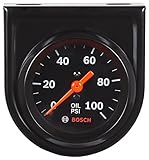 | Bosch Style Line 2 Oil Gauge | Oem Styling | Prices |
 | Universal Manual Oil Pressure Te | Diy Diagnostics | Prices |
 | GlowShift Black 7-Color 100 PSI | Sleek Night Readout | Prices |
 | YullSorom 7-153 Oil Pressure Gau | Budget-friendly Gauge | Prices |
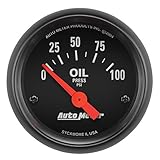 | Auto Meter 2634 Z-Series Electri | Pro-level Accuracy | Prices |
GlowShift Tinted 7-Color 100 PSI
Perfect for drivers who want a sporty, easy-to-read oil pressure gauge that gives instant, color-coded feedback.
The standout feature is the 7-color tinted LED backlight paired with a 100 PSI scale. The LEDs change color across pressure ranges, so you can spot low oil pressure at a glance — for example, the display shifts toward red if pressure drops at idle. The clear, responsive needle and bright face make quick checks while driving simple and safe.
Beyond looks, the gauge offers a solid, road-ready build and a compact design that integrates well into most dashboards. The finish and lens stay readable over time, and the color options add a custom touch. For someone who values both function and style, this gauge strikes a strong balance.
Pros:
- 👍 Clear, color-coded 7-color backlight for instant visual alerts.
- 👍 Wide 100 PSI range suitable for many engines and setups.
- 👍 Bright, easy-to-read face both day and night.
- 👍 Sporty, customizable look that upgrades the dash.
Cons:
- 👎 LED brightness can be intense for some night drivers.
- 👎 Color scheme may not match every vehicle interior.
- 👎 Slightly pricier than basic, non-illuminated gauges.
Bosch Style Line 2 Oil Gauge
This Bosch Style Line 2 Oil Gauge is perfect for drivers who want a reliable, easy-to-read analog oil pressure gauge that suits both classic restorations and everyday cars.
Its standout features are a crisp, high-contrast dial and a responsive needle that shows instant changes. The mechanical sensor is straightforward and dependable. For example, during a cold start you can watch pressure climb in real time and catch a slow leak or weak oil pump before it causes damage.
The build feels solid, with a sturdy bezel, vibration-resistant internals, and a glare-resistant lens that stays readable in bright sun. Installation uses common fittings so a home mechanic can fit it with basic tools. Backed by Bosch’s reputation and simple styling, it’s a durable, no-nonsense choice for clear oil-pressure monitoring.
Pros:
- 👍 Clear, high-contrast dial for fast readings
- 👍 Responsive mechanical needle for real-time feedback
- 👍 Solid construction that resists vibration
- 👍 Straightforward installation with common fittings
Cons:
- 👎 Analog only — no digital logging or alerts
- 👎 May require a specific adapter for some engines
- 👎 Limited customization of face styles
Universal Manual Oil Pressure Te
This manual oil pressure tester is ideal for DIY mechanics and small-shop technicians who need a reliable, affordable way to check engine oil pressure quickly and accurately.
It features universal adapter fittings and a hand-operated pump paired with a clear analog gauge, so you can connect to most engines without special tools. In practice, that means you can hook it to the oil gallery, pump to build pressure, and compare readings at idle and at 2,000–3,000 RPM to spot a weak oil pump or worn bearings in minutes.
Build quality is solid, with brass fittings and a reinforced hose that stand up to repeated use, plus a compact design that stows easily in a toolbox. A simple bleed valve and easy-to-read face make testing safe and repeatable, so this tool is a strong choice for anyone who wants dependable manual diagnostics without a steep learning curve.
Pros:
- 👍 Wide compatibility with multiple adapter fittings for most engines
- 👍 Simple hand pump and analog gauge give fast, dependable readings
- 👍 Durable brass fittings and reinforced hose resist wear
- 👍 Compact, easy to store and transport
Cons:
- 👎 Manual readout lacks the precision of a digital unit
- 👎 Slight learning curve for first-time users on proper hookup
- 👎 Hose length may be short for some larger vehicles or tight engine bays
GlowShift Black 7-Color 100 PSI
Perfect for drivers who want a stylish, easy-to-read oil pressure gauge with customizable lighting and a practical 0–100 PSI range.
The standout feature is the 7-color backlight. You can match your dash or pick a high-contrast color for night driving. The 0–100 PSI scale covers most street and light-performance engines. That means you can spot drops in oil pressure quickly. For example, switching to a bright color at night makes a sudden dip easy to see at a glance.
Build and design are solid. The black face gives a clean, modern look that blends with most interiors. The gauge is responsive and clear, so readings feel immediate and reliable. Installation is straightforward for anyone comfortable with basic wiring, though some vehicles may need a sender adapter. Overall, it’s a strong choice for drivers who want good performance with a customizable look.
Pros:
- 👍 Customizable 7-color backlight to match your dash or improve night visibility
- 👍 Practical 0–100 PSI range suitable for most street and light-performance engines
- 👍 Clear, responsive readout for quick, confident monitoring
- 👍 Sleek black face that blends with many interiors
Cons:
- 👎 May require a sender adapter on some vehicles
- 👎 Backlight can be bright for some users at night
- 👎 Not aimed at extreme high-pressure or heavy‑duty applications
YullSorom 7-153 Oil Pressure Gau
This gauge is perfect for DIY mechanics, weekend racers, and anyone who wants a reliable, easy-to-read oil pressure monitor without paying premium prices.
It offers a clear, responsive display and straightforward wiring, so you get fast, accurate feedback while you drive. One key feature is the easy-to-read dial (or digital readout) that makes it simple to spot pressure drops at a glance. For example, if pressure falls at idle, you’ll immediately see the change and can decide whether to pull over or keep going.
Build quality and installation convenience stand out. The unit feels solid, and the included fittings make mounting quick. It also fits a wide range of vehicles, which is great if you swap it between project cars. Overall, it’s a dependable, no-nonsense choice for monitoring engine health on a budget.
Pros:
- 👍 Clear, quick-to-read display for fast diagnosis.
- 👍 Simple wiring and included fittings speed up installation.
- 👍 Solid build that handles everyday garage use.
- 👍 Good value compared with pricier competitors.
Cons:
- 👎 May lack advanced features like data logging.
- 👎 Fit and finish not as polished as high-end brands.
Auto Meter 2634 Z-Series Electri
Perfect for track-day enthusiasts and DIY mechanics who want fast, reliable oil-pressure readings without guessing.
It uses an electronic sender and a responsive movement for quick, accurate readings. The clear, bold face and strong backlight make numbers easy to read at a glance. For example, when you blip the throttle from idle to 3,000 rpm you can see pressure rise immediately, which helps you spot leaks or failing pumps sooner.
The Z-Series design is compact and rugged. The sealed case and quality fittings stand up to heat and vibration. Installation is straightforward, and the classic styling fits most dashboards. For reliable, visible monitoring on both street and track, it’s a smart, durable choice.
Pros:
- 👍 Fast, accurate electronic response for real-time readings.
- 👍 High-contrast face and bright backlight for easy viewing day or night.
- 👍 Sturdy, sealed construction that handles heat and vibration.
- 👍 Simple installation and classic styling that suits most builds.
Cons:
- 👎 Requires proper sender wiring—some wiring experience helps.
- 👎 Pricier than basic mechanical gauges.
- 👎 Limited face color/options compared with some competitors.
Buyer’s Guide: 3 Key Factors to Consider
Durability is a make-or-break factor for an oil pressure gauge. Look for solid sensor housings (brass or stainless), vibration-resistant mounting, and an IP67 or better rating if the gauge could be exposed to water or road grime. A rugged build reduces drift over time and means fewer replacements — especially important if you tow, off-road, or use the vehicle in harsh climates.
Design and usability matter as much as specs. A clear, backlit face with high-contrast markings or a bright digital readout makes it easy to read at a glance while driving. Consider gauge size (52mm/2-1/16″ is common), bezel options, and mounting depth — compact units are easier to fit into consoles or custom pods. If you’ll be using alarms or logging, check how the interface communicates (on-gauge buttons vs. phone app) and whether alerts are adjustable.
Smart features can tip the scales. Modern electronic gauges with programmable alarms, data logging, or Bluetooth telemetry let you track oil pressure trends over time and catch intermittent issues before they become catastrophic. Combined with solid build quality and accurate sensing, those features make our top pick a strong choice for both enthusiasts and daily drivers who want proactive engine monitoring.
Pros:
- 👍 Rugged construction (stainless/brass internals and high IP rating) for long-term reliability
- 👍 Clear, easy-to-read display with backlight and convenient mounting options
- 👍 Accurate sensor and repeatable readings reduce false alarms and unnecessary repairs
- 👍 Smart features (programmable alarms, logging/Bluetooth) for trend monitoring
Cons:
- 👎 Higher-end models with smart features cost more than basic mechanical gauges
- 👎 Electronic gauges require wiring and a power source; installation is slightly more involved
- 👎 A few advanced models have deeper mounting depth — check fitment before buying
Durability
Check materials (stainless steel, brass sensors, anodized bezels), IP rating, and vibration specs. Prioritize gauges rated for engine-bay conditions if you expect heat, moisture, or dust exposure. A proven brand with good warranty support is worth the extra cost.
Accuracy & Range
Choose a gauge with a pressure range appropriate for your engine — common passenger cars: 0–100 psi; diesel or high-performance engines may need 0–140 psi. Look for sensors with ±1–3% accuracy and stable readings under temperature changes. Avoid oversized ranges that reduce resolution.
Ease of Use & Installation
Decide between mechanical (line-driven) and electronic (sensor/sender) gauges. Mechanical gauges are simple but prone to line clogging; electronic gauges are cleaner and often faster. For electronics, ensure compatible sender threads and that you’re comfortable wiring a power/ground and signal line, or budget for professional installation.
Frequently Asked Questions
Q1: What’s the difference between mechanical and electronic oil pressure gauges?
A1: Mechanical gauges use a capillary line and the engine’s oil pressure to move a needle; they’re simple but can suffer from line clogging and lag. Electronic gauges use a sender/sensor and electrical signal to display pressure; they’re usually faster, cleaner to install, and support alarms or data logging.
Q2: What pressure range should I pick for my car?
A2: For most gasoline passenger cars, a 0–100 psi gauge gives useful resolution. High-performance or diesel engines may benefit from 0–140 psi. Always consult your vehicle manual for typical operating pressures and choose a range that centers that normal operating band.
Q3: How do I know if an oil pressure reading is a real problem?
A3: Verify oil level and temperature first. Sudden low pressure at idle or consistently low readings under load often indicate pump issues, low oil level, clogged filter, or bearing wear — stop driving and diagnose. Intermittent brief dips may be sensor or wiring problems; compare with a backup gauge if in doubt.
Q4: Can I install an electronic gauge myself?
A4: If you’re comfortable routing wires, grounding, and fitting the sensor (correct thread/adapter), yes. Electronic gauges need a switched power source, ground, and the sender signal. If you’re unsure about threading into the engine block or tapping into oil passages, get a professional to avoid leaks or damage.
Q5: How often should I calibrate or replace the sensor?
A5: Most sensors are stable for several years; annual checks during routine maintenance are a good habit. Recalibrate or replace if you see drifting, inconsistent readings, or physical corrosion. High-vibration or high-heat applications may shorten sensor life.
Q6: Are Bluetooth/data-logging gauges worth it?
A6: Yes for enthusiasts, fleet owners, and anyone tracking intermittent issues. Logging helps spot pressure trends before failures and is useful for dyno tuning or diagnosing hard-to-capture faults. If you only need a basic warning when pressure drops, a simple gauge with an alarm is sufficient.
Final Verdict: Which One Should You Buy?
For most drivers, our top pick — a rugged electronic gauge with a high-accuracy sender and programmable alarms — offers the best balance of durability, readability, and modern convenience. Choose a simple mechanical gauge only if you prefer a completely self-contained, power-free solution; opt for a logged/Bluetooth model if you want trend data and proactive alerts for performance or fleet use.