

Ever stepped outside to find your car’s tire light on and wondered which gauge will give a true reading? Picking the wrong tire air pressure gauge wastes time and can leave you driving on underinflated tires. You want something accurate, easy to read, and built to last.
This guide reviews the best tire air pressure gauges available. We tested size, speed, and clarity to find options for everyday drivers, professionals, and anyone who wants a quick, reliable reading. Use the table below to compare features at a glance and jump to the model that fits your needs.
| Product Image | Product Name | Best For | Check Price |
|---|---|---|---|
 | AstroAI Digital Tire Gauge | Compact Precision | Prices |
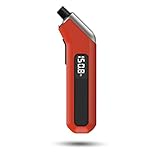 | ETENWOLF T300 Digital Gauge | Fast Accurate Reads | Prices |
 | AstroAI Pencil Gauge | Pen-style Convenience | Prices |
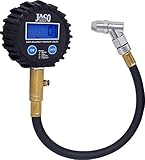 | JACO ElitePro Digital Gauge | Professional Accuracy | Prices |
 | AstroAI Digital Gauge | Backlit Easy Read | Prices |
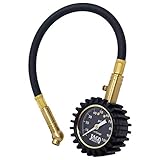 | JACO ElitePro Tire Gauge | Rugged Workshop Use | Prices |
AstroAI Digital Tire Gauge
Perfect for everyday drivers and DIYers who want a fast, reliable way to check tire pressure at home or on the road.
The gauge offers a bright digital display and quick, precise readings so you don’t guess at pressure. For example, you can check all four tires before a highway trip and top them off in minutes, avoiding uneven wear and improving fuel economy.
It’s compact, feels solid in hand, and stores easily in a glovebox or trunk. The simple controls and long battery life make it low maintenance. Overall, it’s a practical, user-friendly tool that upgrades the routine task of tire maintenance.
Pros:
- 👍 Quick, accurate digital readings that reduce guesswork
- 👍 Bright, easy-to-read display for day or night use
- 👍 Compact and lightweight — fits in a glovebox
- 👍 Solid feel and ergonomic design for easy handling
Cons:
- 👎 Requires batteries, so keep spares on hand
- 👎 More expensive than a basic analog gauge
- 👎 Not built for heavy commercial use
ETENWOLF T300 Digital Gauge
This gauge is perfect for drivers and DIYers who want a fast, accurate, and easy-to-read digital tire pressure tool.
The T300’s standout features are a bright backlit LCD and a solid swivel metal chuck that seals quickly. The display shows clear numbers so you don’t need to squint, and the chuck lets you keep hands clean while inflating. It also has a hold function to lock readings. For example, on a cold morning you can read pressure instantly and add air to the carmaker’s recommended PSI without guessing.
Build quality feels solid with a compact, pocketable body and a protective face that resists light bumps. Battery life is reasonable and the unit retains basic settings between uses. Those points make the T300 reliable for daily checks, road trips, and seasonal maintenance — a practical, no-nonsense tool for most vehicle owners.
Pros:
- 👍 Bright backlit display for easy reading in any light
- 👍 Fast, repeatable readings with hold function for convenience
- 👍 Sturdy swivel metal chuck that seals well and reduces air loss
- 👍 Compact, pocketable design that’s easy to store
Cons:
- 👎 Requires small batteries, which will need occasional replacement
- 👎 Not a certified lab-grade instrument — best for consumer use
- 👎 A few buttons to learn if you’re used to analog gauges
AstroAI Pencil Gauge
The AstroAI Pencil Gauge is perfect for drivers who want a compact, no-fuss tool to quickly check tire pressure before a trip.
Its slim, pencil-style design and easy-to-read sliding indicator make spot checks fast and simple. Because it’s mechanical, you don’t need batteries and you get an instant PSI readout. For example, you can keep it in the glove box and test all four tires in a few minutes before a long highway drive.
It also feels solid in hand thanks to its metal body and long stem that reaches deep valve stems. The build holds up to regular use and gives consistent readings. Overall, it’s an affordable, low-maintenance choice for everyday drivers who value portability and straightforward accuracy.
Pros:
- 👍 Very portable — fits in glove box or pocket.
- 👍 Battery-free mechanical operation for reliable, instant readings.
- 👍 Durable metal construction that withstands regular use.
- 👍 Clear sliding scale for quick checks.
Cons:
- 👎 Limited psi range may not suit heavy-duty or specialty tires.
- 👎 No digital display or backlight, so reading in low light is harder.
JACO ElitePro Digital Gauge
Perfect for drivers and DIYers who want a fast, reliable digital readout for routine tire checks and road-trip prep.
The ElitePro stands out with a clear backlit LCD and precise digital sensing that delivers repeatable readings quickly — handy when you’re topping up tires before a long drive; you get an instant number instead of guessing. The user-friendly chuck and flexible hose make it easy to get a solid seal on stubborn valve stems.
Build quality is solid, with a grippy, compact body that survives drops and fits in a glovebox. Auto-off and long battery life keep it low-maintenance, and the straightforward controls mean anyone in the family can use it. For accuracy, durability, and everyday convenience, it’s a smart pick.
Pros:
- 👍 Accurate digital readings that reduce guesswork
- 👍 Backlit screen for easy reading in low light
- 👍 Ergonomic, durable design for everyday use
- 👍 Simple controls and solid valve chuck for reliable sealing
Cons:
- 👎 Requires batteries (auto-off helps conserve them)
- 👎 Digital gauges can be costlier than basic stick gauges
- 👎 Readout may feel small compared with large dial gauges
AstroAI Digital Gauge
Perfect for everyday drivers and DIY car owners who want a fast, accurate, and easy-to-read way to check tire pressure.
The standout features are the clear backlit digital display and quick, reliable readings. The screen makes it easy to see numbers in low light, and the gauge delivers a reading in seconds. For example, you can pop the chuck on a cold morning, get a reading, and adjust to 32 psi before driving off.
It’s also built for regular use — with a solid feel, compact size, and a design that fits into a glovebox. The simple controls and auto-off help save battery life. Overall, it’s a practical, no-fuss tool that covers the needs of most car owners without overcomplicating things.
Pros:
- 👍 Large, backlit LCD for easy reading in any light
- 👍 Fast, consistent readings that save time
- 👍 Solid, compact build that stores well in a glovebox
- 👍 Simple controls with auto-off to preserve battery
Cons:
- 👎 Requires batteries, so you’ll need replacements occasionally
- 👎 Not as feature-rich as pro-grade shop gauges
- 👎 Slightly bulkier than slim pen-style models
JACO ElitePro Tire Gauge
Perfect for drivers and home mechanics who want a fast, reliable way to check tire pressure.
The ElitePro delivers quick, accurate readings with a precise sensing valve and a large, easy-to-read dial. That means you can top up a tire at a gas station and confirm the correct pressure in seconds, instead of guessing or cycling air on and off. The chuck seals well, so you get consistent results every time.
It also feels built for regular use: metal body, protective rubber boot, and a comfortable grip make it rugged yet pocketable. Those features help it survive drops and frequent handling in a busy garage. Overall, the JACO ElitePro balances accuracy, durability, and usability, so it’s a strong choice if you want a gauge that lasts.
Pros:
- 👍 Accurate, consistent readings for reliable inflation
- 👍 Rugged metal construction with protective rubber boot
- 👍 Large, easy-to-read dial and quick response
- 👍 Compact and comfortable to use and store
Cons:
- 👎 Slightly heavier than very cheap plastic gauges
- 👎 No backlight on the dial for nighttime checks
- 👎 A bit pricier than basic disposable models
Buyer’s Guide: 3 Key Factors to Consider
Accuracy & Measurement Range
Choose a gauge with a stated accuracy of ±1–2% (or ±0.5–1 psi) for reliable readings. Check the range: 0–60 psi covers most passenger cars, while 0–100+ psi is better for trucks, SUVs, and performance bikes. Look for models with calibration certificates or user-adjustable calibration to maintain accuracy over time.
Durability & Build Quality
Metal housings, brass chucks, and reinforced hoses last longer than plastic-only designs. If you work in a garage or store your tools in a trunk, pick a gauge with shock-resistant housing and an IP rating for dust/water resistance. A quality swivel chuck and a solid bleed valve prevent leaks and reduce wear at the valve connection.
Ease of Use & Useful Features
Decide between digital (fast, backlit, precise) and analog/dial (no batteries, easy to read under steady pressure). Look for a swivel or flexible hose, a positive-lock chuck, a bleed button for fine adjustments, and a clear display with selectable units (psi, kPa, bar). Compact, pocket-friendly designs are great for everyday drivers; pistol-grip or bench models suit pros.
Frequently Asked Questions
Q1: How accurate are digital tire pressure gauges?
A1: High-quality digital gauges commonly offer ±0.5–1 psi accuracy. Cheaper models can vary more. Look for specs from the manufacturer and independent calibration tests when accuracy is critical.
Q2: How often should I calibrate my gauge?
A2: Calibrate or verify your gauge every 6–12 months if used regularly, or sooner if dropped or exposed to harsh conditions. Compare readings against a known-calibrated reference at a local shop if unsure.
Q3: Which type of gauge is best for motorcycles or high-performance cars?
A3: For motorcycles and performance cars, pick a gauge with a fine resolution (0.5 psi or better) and a range that covers higher pressures. A compact digital gauge with a precise bleed valve works well for fine-tuning.
Q4: Can I leave a tire pressure gauge on the valve for extended periods?
A4: No — leaving a gauge attached can allow tiny leaks and damage the valve stem or gauge. Attach only long enough to get a stable reading, then remove and replace the valve cap.
Q5: Are analog/dial gauges still worth buying?
A5: Yes. Quality dial gauges are robust, require no batteries, and perform well in shop environments. They’re preferred where durability and continuous use matter most.
Q6: What maintenance does a gauge need?
A6: Keep the chuck and hose clean, store the gauge in a protective case, replace batteries for digital models annually or when low, and avoid drops or heavy impacts to preserve calibration.
Final Verdict: Which One Should You Buy?
A mid-range digital gauge with ±1 psi accuracy, a brass swivel chuck, backlit display, and a bleed valve is the best all‑around choice in 2025 — ideal for most drivers who want fast, repeatable readings and convenience. Choose a rugged dial gauge if you prioritize no-battery reliability and workshop durability, or a compact precision digital for motorcycles and performance tuning.
Pros:
- 👍 Fast, repeatable readings with clear digital displays for everyday use
- 👍 Durable brass chucks and swivel hoses reduce leaks and improve longevity
- 👍 Useful features (bleed valve, backlight, multiple units) make fine adjustments easy
- 👍 Wide range of options: budget stick gauges to professional bench models
Cons:
- 👎 Some high-accuracy models cost significantly more — consider needs vs. budget
- 👎 Cheap digital units can drift; check calibration or choose a trusted brand
- 👎 Very compact gauges may sacrifice ergonomic comfort for portability