

Are your tires wearing unevenly or feeling soft more often than they should? Low or inconsistent tire pressure can hurt fuel economy, handling, and tire life. Many drivers skip regular checks because gauges are confusing or unreliable.
This guide reviews six top tire pressure gauges so you can pick one that fits your needs. Below you’ll find quick descriptions, a simple comparison table, and clear reasons to buy each model—whether you want a pocket gauge, a shop-grade tool, or a budget option.
| Product Image | Product Name | Best For | Check Price |
|---|---|---|---|
 | ETENWOLF T300 Digital Tire Infla | Heavy-duty Inflation | Prices |
 | JACO ElitePro Digital Tire Press | Shop & Pro Use | Prices |
 | AstroAI Digital Tire Pressure Ga | Everyday Accuracy | Prices |
 | AstroAI Pencil-Style Tire Pressu | Pocketable Precision | Prices |
 | ETENWOLF Digital Tire Pressure G | Accurate Readings | Prices |
 | ETENWOLF Universal Tire Pressure | Budget-friendly Option | Prices |
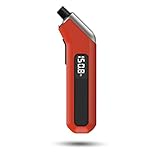
ETENWOLF T300 Digital Tire Infla
Perfect for drivers and cyclists who want a compact, accurate way to check and top up tire pressure on the go.
The standout features are the clear digital pressure readout and the preset auto-stop function. The display gives fast, easy-to-read numbers so you can get a precise target. For example, you can set it to 32 PSI before a highway trip and let the unit stop automatically once it reaches that pressure, saving time and preventing overinflation.
It also shines as a practical emergency tool thanks to its portable, hard-wearing design and built-in LED work light for nighttime use. A selection of valve adapters makes it versatile for cars, bikes, and sports gear. Those traits make it a solid choice for anyone who wants reliable, easy roadside inflation without bulk.
Pros:
- 👍 Accurate digital readout for precise inflation
- 👍 Preset auto-stop for hands-free convenience
- 👍 Compact, durable design that’s easy to store
- 👍 Built-in LED and adapters increase versatility
Cons:
- 👎 Can be a bit noisy during operation
- 👎 Hose/nozzle length may feel short for some vehicles
- 👎 Recharge/charging planning recommended for frequent use
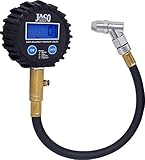
JACO ElitePro Digital Tire Press
Perfect for drivers who want a fast, easy, and reliable digital tire-pressure check—suitable for everyday car owners and weekend DIYers alike.
The ElitePro shines with its clear backlit digital display and a handy air-bleeder button that lets you fine-tune pressure on the spot. For example, at a gas station you can get an instant reading and bleed off a few PSI until you hit your recommended pressure, without guessing.
Build quality is solid, with a comfortable rubber overmold, a flexible hose, and a rugged chuck that seals well. It feels like a tool made to last and sits nicely in a glovebox or toolbox. Overall, it’s a practical upgrade over basic gauges for anyone who values speed and repeatable results.
Pros:
- 👍 Clear backlit digital readout for quick, readable readings
- 👍 Built-in air-bleeder for precise adjustments
- 👍 Sturdy construction and comfortable grip for regular use
- 👍 Flexible hose and reliable chuck reduce leaks and fuss
Cons:
- 👎 Relies on batteries, so you’ll need replacements eventually
- 👎 Slightly bulkier than ultra-compact “pencil” gauges
- 👎 Pricer than the cheapest basic gauges
AstroAI Digital Tire Pressure Ga
Perfect for everyday drivers and DIYers who want a quick, accurate, and easy-to-read digital tire pressure gauge.
The AstroAI digital gauge gives you a clear backlit LCD and precise readings so you can trust the numbers. It covers a wide pressure range and reports in small increments, which helps when you need an exact target. For example, you can check a tire and top it to 32.0 PSI in seconds without guessing or rounding.
It’s built with a solid metal chuck and a rubberized grip, so it feels durable and easy to hold. The compact size fits in a glove box or trunk pouch. Overall, the AstroAI balances accuracy, simplicity, and portable design, making it a smart pick for routine tire maintenance.
Pros:
- 👍 Clear, backlit digital display for easy reading in low light.
- 👍 High-precision readings help you hit exact PSI targets.
- 👍 Sturdy build and compact size for glove-box storage.
- 👍 Wide pressure range suits cars, trucks, and SUVs.
Cons:
- 👎 Requires batteries, so keep spares if you use it often.
- 👎 Needs a firm seal on the valve to avoid occasional small leaks.
- 👎 LCD can be hard to read in direct bright sunlight.
AstroAI Pencil-Style Tire Pressu
This compact pencil-style gauge is perfect for drivers and cyclists who want a quick, accurate, and portable tool for routine tire checks.
The core feature is its slim mechanical design with a clear pressure stick that gives instant readings up to the typical PSI range. It works without batteries, so you get a reading the moment you press it to the valve. For example, pop it on a car tire before a commute or check a bike before a weekend ride and know in seconds if you need air.
Build and design are strong points. The metal body and pocket clip make it easy to carry and more durable than plastic-only gauges. No electronics mean fewer failures and simple long-term use. For anyone who wants a rugged, low-cost gauge for daily maintenance, this is a solid choice.
Pros:
- 👍 Compact, easy to store in a glovebox or tool kit.
- 👍 Battery-free operation for instant, reliable readings.
- 👍 Metal construction and pocket clip boost durability.
- 👍 Inexpensive and great for routine maintenance.
Cons:
- 👎 Small gauge face can be harder to read in low light.
- 👎 Lacks digital precision and advanced features.
- 👎 Mechanical gauges may need occasional calibration checks.
ETENWOLF Digital Tire Pressure G
Perfect for drivers who want a fast, reliable, and easy-to-read digital tire pressure gauge for routine checks and road trips.
The ETENWOLF Digital Tire Pressure G stands out for its clear backlit LCD and quick-response sensor. Readings are displayed in PSI/kPa/Bar, so you can check pressure in seconds — for example, you can verify all four tires in under a minute before heading out on a long drive. The bright display makes night checks simple and reduces guesswork.
It also feels solid in hand thanks to a sturdy, compact build that fits the glovebox. The swivel head and snug seal cut down on leaks while measuring. Overall, it pairs practical features with dependable construction, making it a strong choice for drivers who value speed, accuracy, and convenience.
Pros:
- 👍 Fast, accurate readings that save time during checks
- 👍 Clear backlit display for easy night use
- 👍 Compact, durable design that stores easily in a glovebox
- 👍 Multiple units (PSI/kPa/Bar) for flexibility
Cons:
- 👎 May be a bit heavier than basic plastic gauges
- 👎 Some users might prefer Bluetooth logging or advanced app features
ETENWOLF Universal Tire Pressure
This gauge is perfect for drivers who want a fast, reliable, and easy-to-use tire pressure check at home or on the road.
It features a universal chuck that fits Schrader valves and a clear digital display for quick reads. These make it simple to get pressure in seconds — for example, you can check all four tires before a highway trip without detours to a service station.
The ETENWOLF is compact with a sturdy metal body and a textured grip, so it survives knocks in a toolbox and stays easy to handle. That mix of durability and user-friendly design makes it a smart, practical choice for most car owners.
Pros:
- 👍 Universal compatibility with most Schrader valves for hassle-free use
- 👍 Fast, easy-to-read display speeds up routine checks
- 👍 Sturdy metal construction holds up in a toolbox
- 👍 Compact size makes it portable and easy to store
Cons:
- 👎 Digital display requires batteries, which need occasional replacement
- 👎 Slightly bulkier than minimalist “pencil” gauges
- 👎 More features than some casual users may need
Buyer’s Guide: 3 Key Factors to Consider
Durability
Choose a gauge built with sturdy materials—anodized aluminum or reinforced ABS with a rubber overmold will survive drops and garage use. Look for a swiveling metal chuck, braided hose or solid stem, and an IP rating or weatherproofing if you’ll use it outdoors. A one- or two-year warranty is a good indicator the manufacturer stands behind durability.
Ease of Use
Pick a design that gives fast, repeatable readings: a clear backlit digital display or an easy-to-read dial, a snug-fit swivel chuck, and a bleed valve for fine adjustments. Ergonomic shape and a tether or holster help if you’ll be checking tires regularly. If you’re new to gauges, prioritize simplicity over extra features.
Price vs. Performance
For occasional drivers, an accurate analog dial or a basic digital gauge (±1–2 psi) delivers great value. Enthusiasts and pros should invest in a calibrated digital gauge with higher accuracy, a broader PSI range, and robust build quality. Don’t pay for Bluetooth or smartphone apps unless you’ll really use those features—focus first on accuracy and reliability.
Pros:
- 👍 High accuracy options (±1–2 psi) available for confident readings
- 👍 Durable metal bodies and weatherproof designs for long life
- 👍 Simple, ergonomic designs make routine checks quick and consistent
- 👍 Wide range of models to suit occasional drivers through professionals
Cons:
- 👎 Premium, calibrated models cost noticeably more than basic gauges
- 👎 Digital units need batteries and can struggle in extreme cold without warming up
- 👎 Bluetooth/connected features add complexity that many users won’t need
Frequently Asked Questions
Q1: How often should I check my tire pressure?
A1: Check at least once a month and before long trips; also after big temperature swings. Pressure drops naturally over time and with colder weather, so monthly checks keep performance and safety optimized.
Q2: Are digital gauges more accurate than analog dials?
A2: High-quality digital and calibrated dial gauges can both be very accurate. Digital gauges often offer finer resolution and easier reading, but accuracy depends on build quality and calibration, not strictly on display type.
Q3: Can a tire pressure gauge replace my car’s TPMS?
A3: No—TPMS alerts you to rapid deflation and ongoing low pressure while driving. A good gauge complements TPMS by letting you verify and set pressures precisely when parked.
Q4: How do I know if a gauge is properly calibrated?
A4: Look for manufacturer calibration claims and certificates. For peace of mind, compare readings with a trusted gauge or have it checked at a shop. Some high-end models allow recalibration or offer calibration services.
Q5: What PSI range should I get for different vehicles?
A5: Passenger cars usually need gauges that read 0–60 psi, while light trucks and commercial vehicles may need 0–100+ psi. Choose a model that comfortably covers your vehicle’s recommended pressure plus a margin.
Q6: Any tips for getting an accurate reading?
A6: Check when tires are cold (parked for several hours), press the chuck straight onto the valve stem for a firm seal, hold until the reading stabilizes, and use the bleed valve to fine-tune pressure if needed.
Final Verdict: Which One Should You Buy?
For most drivers in 2025, a mid-priced digital gauge with a sturdy metal body, backlit display, swivel chuck, and ±1–2 psi accuracy is the best buy—easy to use, durable, and precise. Choose a calibrated, heavy-duty model if you’re a pro or need frequent, exact readings; stick to a simple dial for occasional, budget-friendly checks.